Evidence gap
What has been checked? What's missing, stale, or actually trustworthy?
Identity-first incident forensics
When a credential is compromised, InaiSec helps you trace where it was used and which systems and customers may be affected. Keep the evidence and unanswered questions in one incident room as you respond.
Built by a founding security engineer at Databricks. Previously Capital One. Co-inventor of 4 security patents from prior roles.
After the alert
A compromised identity can cross roles, sessions, and systems. The evidence needed to understand its reach is scattered across them. While investigators reconstruct the trail, security leaders and customer teams are already making decisions about scope, customer impact, and response.
You may need to decide whether to revoke access before you know whether customer data was accessed. The investigation has to support that call while the facts are still coming in.
What has been checked? What's missing, stale, or actually trustworthy?
Which systems, data classes, and customers were actually affected?
Which calls need an accountable human, and who owns each one?
What can you defend later to counsel, customers, and regulators?
The Incident Room
When a security incident is unfolding, every team needs answers at once. Security is tracing access, leadership is weighing customer impact, and counsel and customer teams are preparing the next move.
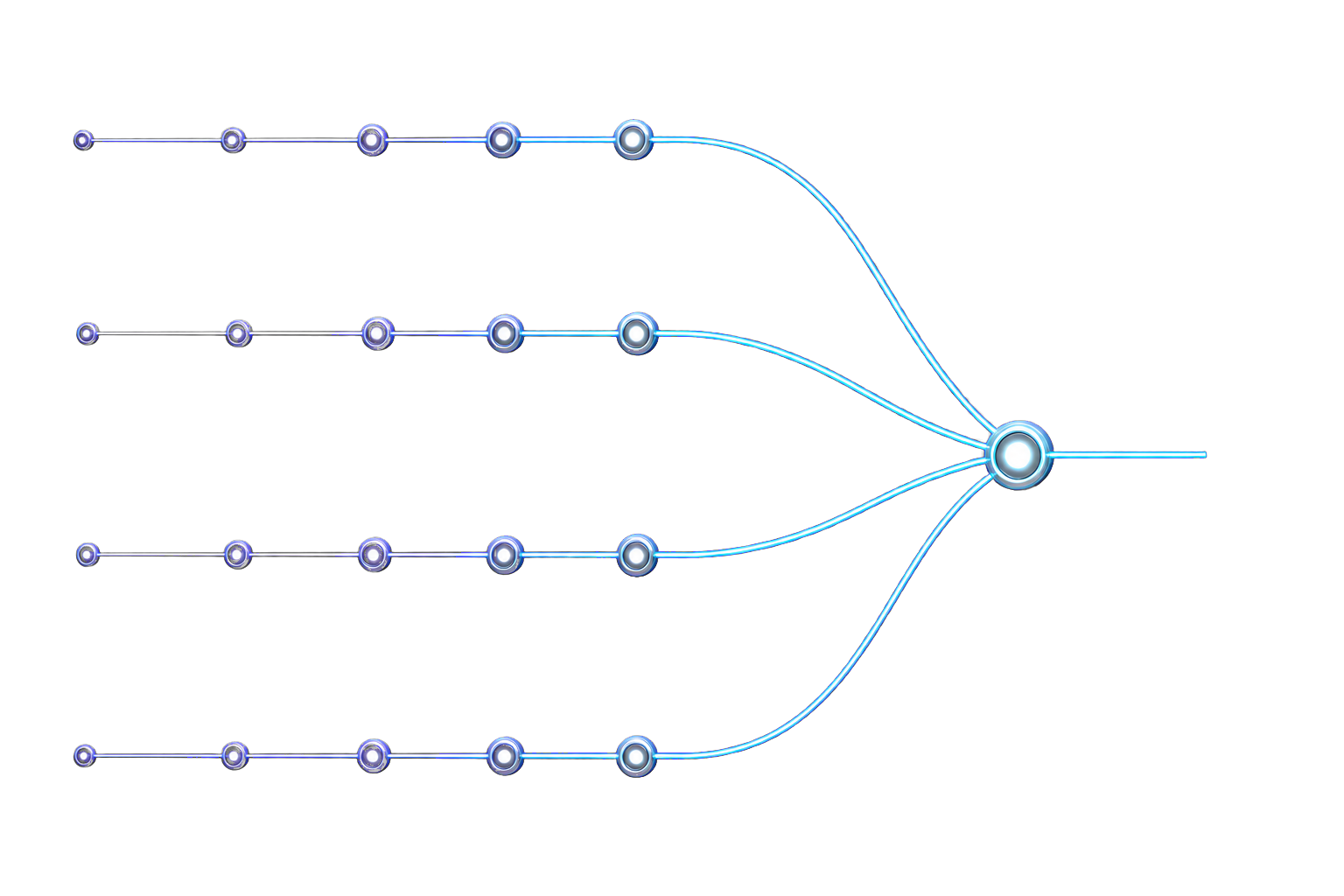
InaiSec brings that work into one incident room to help answer four questions.
What do we know? Source-linked evidence, collected on demand, keeps confirmed facts and missing or stale information visible.
How far did it spread? See which systems, data, and customers may be affected, with confirmed and potential impact kept distinct.
What must we decide next? Named owners review containment, customer impact, and disclosure with the evidence attached.
Can we explain our response? Preserve what was known, what remained uncertain, and why each decision was made.
Agents move the work forward. Humans approve the decisions that matter.
Why now
Credential incidents can cross identity, cloud, SaaS, and data systems. Regulatory and customer-response clocks can start before the scope is known. Reconstructing identity activity from logs after the fact is too late for the decisions being made now.
AI can help collect and connect the evidence. Your team still decides how to respond, with the supporting facts and unanswered questions in view.
An attacker can act through a legitimate account. Responders need to trace how that access was used.
New evidence can change scope, customer impact, and the next response decision. Teams need a current picture while the incident is unfolding.
Some regulatory clocks run for days, not weeks, and they can start before scope is stable.
Boards, customers, and regulators want a person on the record. That won't change.
About the founder

Across more than a decade of security engineering at Capital One and Databricks, I built systems for high-stakes investigations, including the multi-cloud SIEM and incident response infrastructure that supported Databricks through hypergrowth. One pattern stayed constant: when identity was involved, teams still had to reconstruct attacker access across fragmented systems while they were already making containment and business decisions.
InaiSec is built for that live investigative gap: automated identity tracing for speed and precision, paired with the flexibility and human judgment complex incidents demand.
Join the design partner program
We’re looking for 3 to 5 paid design partners running credential investigations. In the first conversation, we’ll walk through one closed incident: where the investigation slowed down and what your team needed to decide. No customer data is needed.
FAQ
Here’s how InaiSec fits into a live investigation, what it needs, and what a design partnership looks like.
No. SIEM, XDR, EDR, and AI SOC tools detect and validate suspicious activity. InaiSec starts at confirmation: it pulls case-scoped evidence, traces compromised identities across systems, and keeps blast radius and unknowns current during the investigation.
No. InaiSec is designed to work with the identity, cloud, SaaS, data, and response systems you already use, acting as the investigation layer across them. It does not replace containment, counsel, or human approval.
Security and incident-response leaders investigating credential-led incidents where identity activity crosses systems and scope, customer impact, or disclosure obligations are hard to establish quickly.
We start by talking through one closed incident from your team, with no customer data needed. After that conversation, we’ll decide together whether a replay on your data would be useful and whether a paid design partnership makes sense. Before any replay, we’ll agree on access and data handling.